
Whether it’s a landscaping concern, a pool access question, a community event, or an architectural request waiting for approval, most homeowners interact with their HOA at some point. But in many neighborhoods across the Houston area, there’s still confusion about who is actually responsible for what behind the scenes.
For many residents, the HOA board and the management company can feel like the same entity. In reality, they serve very different — but equally important — roles in helping communities operate effectively.
As Houston-area neighborhoods continue growing into larger, more amenity-rich communities, understanding that partnership has become increasingly important for homeowners, volunteer board members, and residents alike.
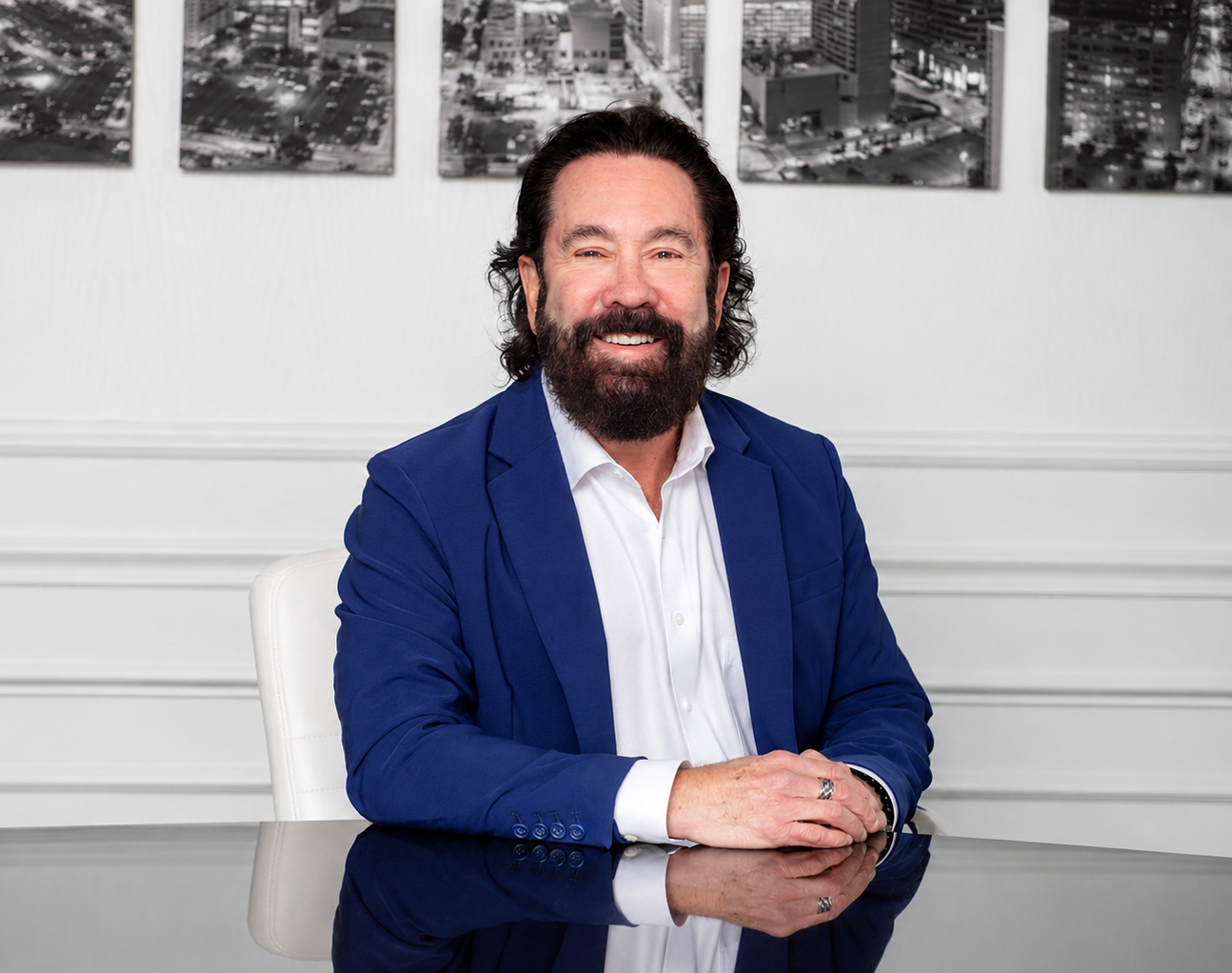
Kelly Hawkins, President and CEO of KRJ Management, says the misunderstanding is common, especially in today’s master-planned communities where expectations for communication, maintenance, amenities, and resident experience continue to grow.
“The simplest way to explain it is this: the board sets the direction and makes the decisions, while the management company serves as the ‘hands and feet’ that help carry out the board’s vision and responsibilities,” Hawkins explained.
Founded in 1979, KRJ Management has served homeowner associations throughout Houston and surrounding communities for more than four decades. In 2017, Hawkins acquired the company with a vision of modernizing the client experience while bringing more professionalism, transparency, and relationship-driven service to the HOA industry.
Today, the company blends operational support and technology with a people-first approach centered on communication, responsiveness, and long-term community relationships.
“At its core, this industry is about people, relationships, and service — and that has always been deeply meaningful to me,” Hawkins said.
Why the Difference Matters to Homeowners
In most HOA communities, the board is made up of volunteer homeowners elected by residents to govern the association. Those board members help make decisions about budgets, policies, contracts, reserve planning, capital improvements, community standards, and the long-term direction of the neighborhood.
The management company, meanwhile, works under the direction of the board to help carry out those decisions and oversee the daily operations of the community.
That often includes coordinating vendors, communicating with homeowners, organizing board meetings, assisting with financial reporting, supporting compliance processes, handling administrative responsibilities, and helping maintain community amenities and shared spaces.
For many homeowners, however, much of that work happens quietly in the background.
“There are many behind-the-scene activities that are handled by the management company, including, but not limited to, working with the city and county on public community features like street lighting, working with MUDs, and other entities that support the community,” Hawkins noted.
In many Houston-area neighborhoods, that coordination plays a major role in preserving the overall resident experience — often without homeowners realizing how many moving parts are involved behind the scenes each day.
Modern HOA Communities Are About More Than Maintenance
Across the Houston area, many newer master-planned communities have evolved into full lifestyle neighborhoods where amenities and shared spaces play a major role in daily life. Walking trails, lakes, fitness centers, parks, pickleball courts, playgrounds, splash pads, clubhouses, and resident events have become part of what many homeowners expect when choosing where to live.
That growth has changed not only what residents expect from their communities, but also what they expect from HOA boards and professional management teams.
In many neighborhoods, HOA leadership today extends far beyond enforcing deed restrictions or maintaining common areas. Communities are increasingly focused on preserving neighborhood identity, protecting property values, improving communication, enhancing resident experiences, and creating spaces where neighbors genuinely feel connected.
That shift has made professional community management far more relationship-driven than many homeowners may realize.
Hawkins says that philosophy has shaped how KRJ approaches community management today — not simply as an administrative service, but as a people-focused business centered around responsiveness, consistency, and creating positive experiences for both residents and volunteer leaders.
While systems and technology have evolved significantly over the years, he believes the heart of community management still comes down to people serving people well.
A Partnership Built on Trust and Communication
Because HOA board members are volunteers, many are balancing community leadership responsibilities alongside careers, family life, and their own obligations as homeowners.
One detail residents sometimes overlook is that board members are neighbors themselves — people donating personal time and energy to help guide decisions that impact the entire community.
“I would describe the relationship between a volunteer HOA board and a professional management team in two words: trusted partnership,” Hawkins said.
According to Hawkins, one of the most valuable roles a management company can play is helping reduce the operational burden placed on volunteer boards.
That can include organizing and facilitating meetings, coordinating vendors, improving homeowner communication, streamlining administrative tasks through user-friendly technology, assisting with conflict resolution, responding to residents in a timely and professional manner, and helping communities stay proactive rather than reactive when challenges arise.
In growing communities where resident expectations continue to rise, that operational support can make a meaningful difference in preventing volunteer burnout and helping boards stay focused on governance, leadership, and long-term planning rather than day-to-day operational stress.
He also believes homeowners benefit when communities approach volunteer leaders with empathy and understanding, especially during difficult decisions or periods of rapid growth.
Board members, after all, are homeowners too — neighbors trying to help protect and improve the community they live in alongside everyone else.
Why Transparency and Professionalism Matter
Hawkins believes part of improving the homeowner experience also means acknowledging why some residents have become frustrated with the HOA industry over the years.
He says inconsistent communication, high manager turnover, lack of transparency, and overly transactional service models have contributed to distrust in some communities — particularly when homeowners feel disconnected from decisions affecting their neighborhood or unclear about how management services are being delivered.
Rather than avoiding those conversations, Hawkins believes the industry continues moving forward by investing in stronger leadership, better training, improved communication, and more transparent business practices.
“Changing the image of HOA means elevating the standard of service, leadership, professionalism, and transparency within our industry,” Hawkins said.
He believes homeowners increasingly recognize the value of professional management when communication is clear, service is consistent, and relationships are built on trust rather than transactions.
That philosophy has become especially important in Houston-area communities where homeowners are not simply investing in a house, but in the long-term experience, stability, and identity of the neighborhood itself.
What Homeowners Should Keep in Mind
At the end of the day, HOA boards and management companies are not competing roles — they are complementary ones.
Strong communities are typically built through collaboration between three groups: the board, the homeowners, and the management company. Each serves a different role, but all contribute to the overall success and health of the neighborhood.
The board provides leadership and decision-making authority for the association. The management company provides operational expertise, support, communication, and execution. Homeowners themselves play an important role through engagement, stewardship, and participation within the community.
“When all three understand and respect their individual roles and work collaboratively, the community is positioned to operate more effectively, communicate more clearly, and create a better overall experience for everyone involved,” Hawkins said.
For homeowners across Greater Houston, understanding those distinctions can lead to more productive conversations, healthier expectations, stronger neighborhood relationships, and communities that continue evolving in positive and sustainable ways.
Stay tuned to HOA Connect Houston for more HOA education, neighborhood leadership insights, and community management coverage across the Greater Houston area.